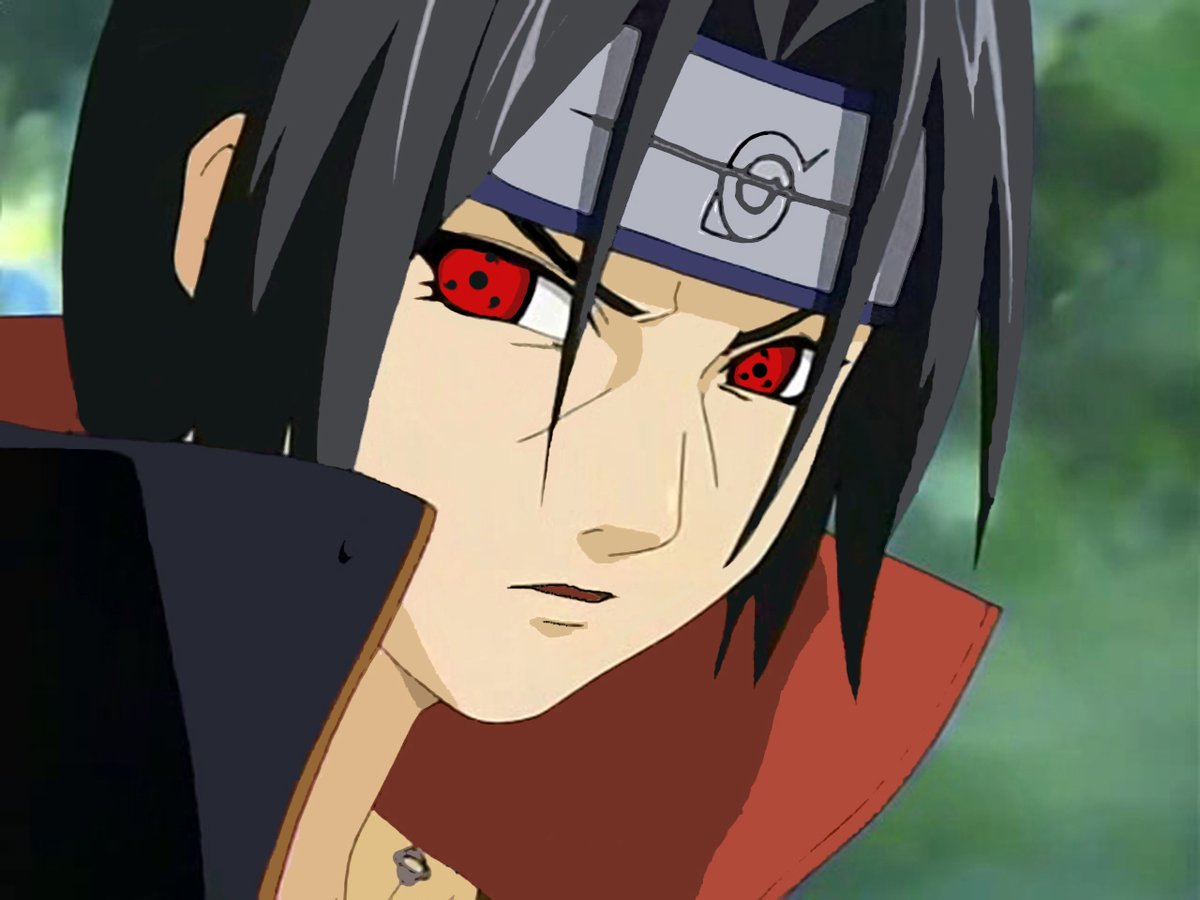
Itachi Uchiha stands as one of the most enigmatic and beloved characters in the Naruto saga, a figure whose life was as complex as his death. What many fans find most compelling, and perhaps confusing, is the fact that Itachi technically "died" not once, but twice within the series. This duality in his demise is central to understanding his ultimate sacrifice and the profound impact he left on the shinobi world, particularly on his younger brother, Sasuke.
From his initial appearance as a cold-blooded rogue to his eventual reveal as a devoted protector, Itachi's journey is punctuated by moments of immense tragedy and strategic genius. His deaths weren't merely plot devices; they were carefully planned acts that served a greater purpose, redefining heroism and self-sacrifice. Join us as we unravel the intricate details behind both of Itachi Uchiha's poignant departures.
The First Farewell: Itachi's Physical Death and Master Plan
Itachi's first death, the true physical end of his life, is arguably the most impactful. It occurred during a fated confrontation with his younger brother, Sasuke, in Chapter 393 of the manga ("My Eyes!!") and Episode 138 of Naruto Shippuden ("The End"). This wasn't a sudden, unexpected demise but the culmination of years of suffering, strategic planning, and a deep, unspoken love for Sasuke.
Itachi orchestrated this entire battle to appear as if Sasuke had finally achieved his long-sought revenge. He wanted Sasuke to be seen as the hero who avenged their clan, even while concealing the horrific truth behind the Uchiha Clan Downfall. To dive deeper into this pivotal moment, you'll want to read about .
The Unseen Hand: Sasuke's Role in Itachi's Final Act
While Sasuke believed he was battling Itachi out of pure hatred and a desire for vengeance, he was unknowingly playing a crucial role in Itachi's meticulously crafted plan. Itachi pushed Sasuke to his limits, ensuring Sasuke would "defeat" him and thus become powerful enough to stand against future threats. This complex dynamic, where a brother sacrifices himself to empower the one he loves, is a cornerstone of their intertwined fates.
Understanding the full scope of Itachi's manipulation and Sasuke's eventual realization is key to appreciating their bond. For a thorough examination of this intricate relationship and its conclusion, consider .
Battling the Unseen Foe: Itachi's Chronic Illness
Unknown to many, Itachi had been battling a severe illness for a significant portion of his life, a condition that steadily weakened him. This illness, combined with the immense chakra drain from using powerful Mangekyo Sharingan techniques like Amaterasu and Susanoo, left him in a physically vulnerable state during his fight with Sasuke. His collapse wasn't just an act; it was the inevitable end hastened by his predetermined intentions.
His failing health meant that even without Sasuke's intervention, Itachi's time was limited. This adds another layer of tragic heroism to his final battle. Explore the full impact of his deteriorating health by checking out .
A Legacy Awoken: The Mangekyo Sharingan's True Cost
One of Itachi's ultimate goals during his final confrontation was to awaken Sasuke's Mangekyo Sharingan. He knew that to face the challenges ahead, Sasuke would need this advanced power. By dying at Sasuke's hands, Itachi triggered the traumatic emotional response necessary for the Mangekyo to manifest, effectively gifting his brother the means to protect himself and fulfill Itachi's hidden agenda. He even transferred some of his eye jutsu, like Amaterasu, to Sasuke in his dying moments.
The activation of Sasuke's Mangekyo was a direct consequence of Itachi's sacrifice, a powerful yet painful inheritance. To understand the mechanics and emotional weight behind this transfer, you'll want to delve into .
The Second Farewell: Itachi's Reanimated Demise and Final Redemption
Itachi's second death occurs much later in the series, during the tumultuous Fourth Shinobi World War, in Chapter 590 of the manga ("I Will Love You Always") and Episode 339 of the anime ("I Will Love You Forever"). This wasn't a natural death but the end of his reanimated state, brought back to life by Kabuto Yakushi's forbidden Reanimation Jutsu (Edo Tensei).
However, Itachi, ever the strategist, managed to break free from Kabuto's control using a crow implanted with Shisui Uchiha's Mangekyo Sharingan and its Kotoamatsukami genjutsu. This act allowed him to regain his free will and, remarkably, align himself with Sasuke once more to confront Kabuto. For a detailed exploration of this second, more definitive departure, consider reading .
The Puppeteer and the Forbidden Jutsu: Kabuto's Edo Tensei
Kabuto Yakushi, obsessed with power and seeking to surpass Orochimaru, became the primary antagonist orchestrating the Fourth Shinobi World War by reanimating legions of deceased shinobi. His mastery of the Edo Tensei jutsu brought countless powerful figures, including Itachi, back to the living world as unwilling combatants.
Understanding Kabuto's motivations and the mechanics of this terrifying jutsu is essential to grasping the context of Itachi's return. Discover the dark secrets behind this technique and its caster by exploring .
Brothers Reunited: The Fight Against Kabuto
In a stunning turn of events, Itachi and Sasuke found themselves fighting side-by-side against Kabuto. This alliance was a powerful moment for fans, showcasing the true strength of their bond, albeit with Itachi in a reanimated state. Itachi’s goal was to force Kabuto to release the Edo Tensei, thus freeing all the reanimated souls, including his own, from their unwilling servitude.
This battle was not just about defeating an enemy; it was about Itachi giving Sasuke the full truth, showing him the love and sacrifice he had always hidden. To witness the full intensity and emotional weight of this collaboration, dive into .
A True End: The Release of Edo Tensei
Itachi successfully used Izanami, a powerful genjutsu, to trap Kabuto in an infinite loop, forcing him to confront his true self and ultimately release the Reanimation Jutsu. As the jutsu unravelled, the souls of all the reanimated shinobi, including Itachi's, began to ascend back to the afterlife. Before his spirit completely faded, Itachi imparted the full truth of his past to Sasuke, expressing his unwavering love and leaving his brother with a powerful, heartfelt farewell.
This final, honest exchange was crucial for Sasuke's redemption and understanding of his brother's sacrifices. It was Itachi's last, greatest gift. To truly grasp the weight of this goodbye and its lasting legacy, we highly recommend reading .
The Enduring Legacy of Itachi Uchiha
Itachi Uchiha's story is one of profound tragedy, immense love, and unwavering commitment to the greater good, even at the cost of his own reputation and life. Both of his "deaths" served to propel the narrative, reveal deeper truths, and ultimately shape the destiny of the Uchiha clan and the entire shinobi world. His ability to plan far beyond his own existence makes him a figure who continues to fascinate and inspire discussion among fans.
His journey reminds us that true heroism often lies not in glory, but in silent sacrifice, and that the greatest acts of love can sometimes be the most painful. As the Naruto universe continues to expand, Itachi's legacy remains a beacon of this complex moral compass, influencing generations of shinobi and fans alike.